
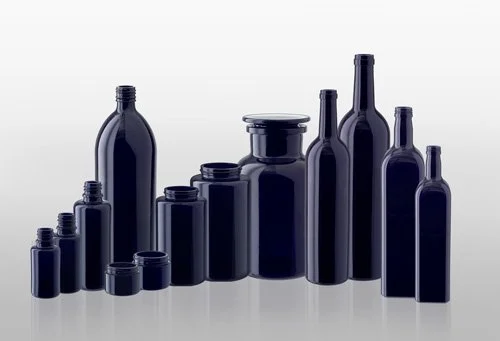
The Advantages of Biophotonic Glass Bottles for Skincare Products
Discover why biophotonic glass bottles protect skincare formulas better than plastic — no microplastics, no leaching, and longer-lasting active ingredients.
Where to Find Natural Skincare Products That Support Sustainable Practices
Quick answer: Look for skincare brands that are transparent about their sourcing, use minimal and recyclable or reusable packaging, avoid synthetic fillers and microplastics, and support the communities their ingredients come from. Sustainability in skincare spans four areas: ingredient sourcing, packaging, formulation, and social impact — and the strongest brands address all four, not just one.
Why "Natural" and "Sustainable" Aren't the Same Thing
A lot of skincare marketing uses "natural" and "sustainable" interchangeably, but they're not the same claim. A product can be made from plant-derived ingredients and still be unsustainable — if those ingredients are over-harvested, the packaging is single-use plastic, or the supply chain exploits the communities that grow them.
True sustainability in skincare means looking at the whole lifecycle of a product: where the ingredients come from, how they're processed, what they're packaged in, and who benefits along the way.
What to Actually Look For
When evaluating whether a skincare brand supports sustainable practices, check for:
Transparent, traceable sourcing — brands that name their ingredient origins and sourcing partners, not just "ethically sourced" as a vague claim
Low-impact packaging — glass over plastic, refillable or reusable containers, and packaging free of unnecessary layers
No microplastics — both as ingredients (like exfoliating microbeads) and as a byproduct of plastic packaging shedding into the product over time
Community and fair-trade sourcing — ingredients sourced through partnerships that fairly compensate the growers and communities involved, rather than extractive supply chains
Formulation efficiency — fewer, higher-quality active ingredients rather than filler-heavy formulas that require more raw material and produce more waste per use
Questions Worth Asking Before You Buy
Does the brand name specific regions or communities they source from, or only vague terms like "sustainably sourced"?
Is the packaging reusable, refillable, or made from a lower-impact material like glass?
Does the brand publish any information about its supply chain, certifications, or sourcing partnerships?
Are the formulas concentrated and effective in small amounts, or do they rely on filler ingredients that dilute both efficacy and sustainability?
Brands that can answer these clearly, with specifics rather than marketing language, tend to be the ones actually doing the work — not just claiming it.
A Note on What Your Package Looks Like When It Arrives
Here's something worth knowing before you order: your box won't be Instagram-ready. We package orders in reused cardboard, whatever sturdy materials we have on hand, and packaging that's already had a first life — not fresh, branded, color-coordinated boxes designed for an unboxing video.
That's not an oversight. It's the same principle behind the glass bottles and the sourcing partnerships, applied to the very last step of getting your order to your door. Producing brand-new packaging for every shipment, just to make it look better on camera, runs directly against everything else we do to keep our footprint small. So instead, we reuse what already exists and make sure your bottles arrive secure — even if the outside of the box has clearly lived a life before it reached you.
If you're looking for a picture-perfect reveal, this isn't going to give you one. If you're looking for a company that means what it says about sustainability, even in the parts nobody sees on camera, that's exactly the point.
The Clil Botanicals Approach
At Clil Botanicals, sustainability runs through how we source, package, and formulate. We work with African seed oil partnerships chosen for their commitment to fair, community-based sourcing. We package in biophotonic glass instead of plastic, protecting both the formula and the environment from unnecessary waste. And our formulas are built around fewer, higher-potency botanical actives rather than filler ingredients, so more of what's in the bottle is doing real work for your skin.
Sustainable skincare isn't about a single ingredient or a single claim — it's a set of choices made consistently, from sourcing to shelf. The more specific a brand can be about those choices, the more you can trust the label.
Curious how our sourcing and formulation choices come together? Explore our collection to see sustainable skincare in practice.