
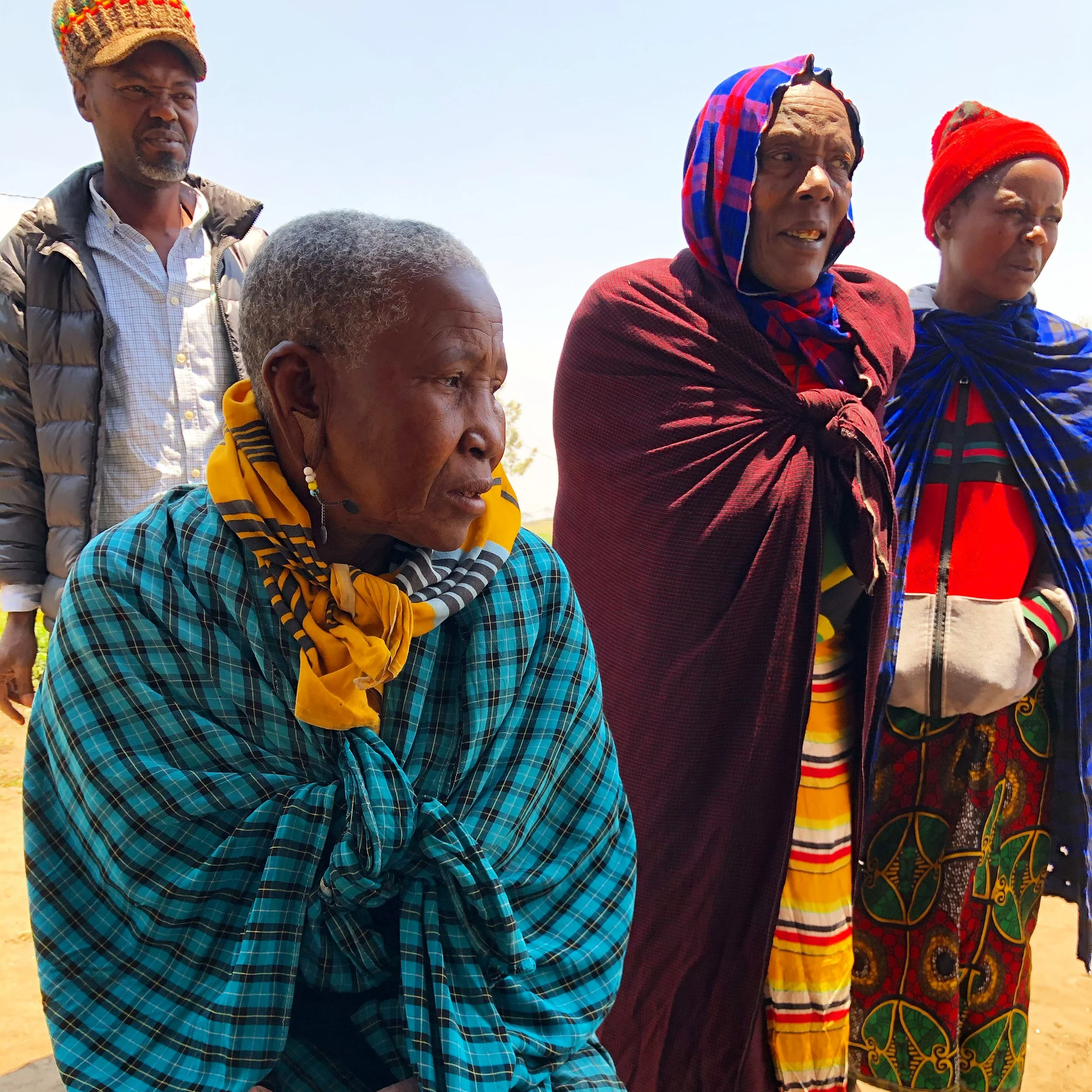
Skincare Brands That Empower Women in Developing Countries
Learn what real empowerment in skincare sourcing looks like, fair pay for wild-harvested ingredients, high purity standards, and honest supply chains
Quick answer: Look for skincare brands that pay fair, transparent prices for the ingredients they source and hold those ingredients to high purity standards, especially important for wild-harvested ingredients gathered across many different communities, where naming a single cooperative isn't realistic. The strongest signal isn't a polished single-source story; it's honesty about how the sourcing actually works and evidence of fair pay at the point of exchange.
Why Sourcing Is the Real Empowerment Story
Skincare ingredients like shea butter, argan oil, and various African seed oils are often harvested and processed by women in rural communities, sometimes as the primary income source for entire households. But the connection between "natural ingredient" and "empowered woman" isn't automatic, it depends entirely on how the supply chain is structured.
In extractive supply chains, the people doing the harvesting and processing see very little of the final product's value. In fair, direct-sourcing partnerships, they're paid fairly for their labor and often have a stake in the long-term relationship with the brand, not just a single transaction.
The brands genuinely empowering women aren't the ones with the best marketing copy: they're the ones that can explain, specifically, how their sourcing works.
What to Look For in a Brand's Sourcing Story
Honesty about how sourcing actually works (a named single cooperative for a cultivated crop is one legitimate model, but for wild-harvested ingredients gathered across many communities, transparency about that structure matters more than a single named source)
Fair, transparent compensation — brands willing to talk about how pricing works, not just that it's "fair"
Purity and quality standards at the point of exchange — for wild-harvested ingredients especially, this is often the most concrete, verifiable commitment a brand can make
No exaggerated claims of personal or individual relationships — be wary of brands implying they visit every village or know every harvester by name when the ingredient is wild-harvested across a decentralized network; that's rarely realistic at scale
Reinvestment or fair pricing as the mechanism of impact — even without naming individual communities, a consistently fair price paid for wild-harvested goods is a legitimate form of economic support
Questions Worth Asking
Is the brand upfront about whether ingredients are cultivated on a single farm or wild-harvested across many communities?
Can they describe how pricing works, even if they can't name every individual harvester or village?
Is the price paid consistent and fair, rather than driven down opportunistically batch to batch?
Does the brand hold the ingredient to clear purity or quality standards, as evidence of a serious, ongoing sourcing relationship?
If a brand can't answer these with any specificity, "empowerment" is likely a marketing term rather than a sourcing practice.
The Clil Botanicals Approach
Our oils, including baobab, come from a range of different communities rather than a single source. That's not a choice, it's the nature of the ingredient. Baobab trees don't grow on demand, and the oil is wild-harvested, not cultivated on a farm where output can be planned or scaled. It grows where it grows, and it's gathered by the people who live near it.
That also means we can't personally visit every village or every community involved: with wild-harvested ingredients spread across a wide, decentralized network of harvesters, that kind of direct, individual relationship isn't realistic to promise. What we can guarantee is what happens at the point of exchange: we hold the oil to the highest standard of purity, well beyond organic certification standards, and we pay a fair price for it. That's the relationship we can control, and we take it seriously — a fair price for genuinely wild, high-purity oil is a win for the harvesters and a win for the quality of what ends up in your bottle.
We'd rather be honest about the scale and structure of wild-harvest sourcing than overstate a level of individual relationship we can't actually deliver. What we can promise is fair pay and uncompromising purity, every time.
Beyond fair pricing at the point of sourcing, 20% of our net profit goes directly to Homeopathy for Health in Africa, an NGO co-founded by Camilla. In that sense, Clil Botanicals functions less like a traditional skincare brand and more like a social enterprise, the products fund the mission as much as the mission shapes the products.
Real empowerment in skincare sourcing doesn't always look like a single, named cooperative and a polished origin story — especially with wild-harvested ingredients, where that kind of story isn't honest to promise. Sometimes it looks simpler than that: a fair price, paid consistently, for a genuinely wild, high-purity ingredient. It's worth asking any brand you buy from whether they can be that direct about how their sourcing actually works.
Want to learn more about the communities behind our ingredients? Explore our collection or reach out — we're glad to share our sourcing story in more detail.